Skip to content
Costa RicaOrigins

Costa Rica - globally recognised for its high-quality coffee

Regular price$0.00 Sale price
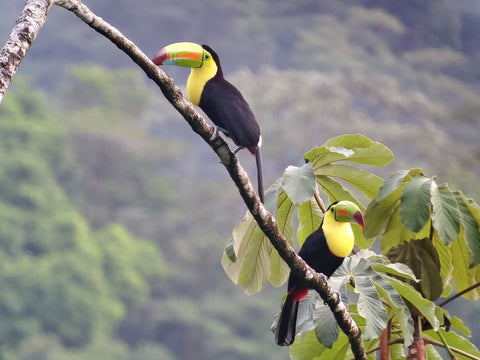
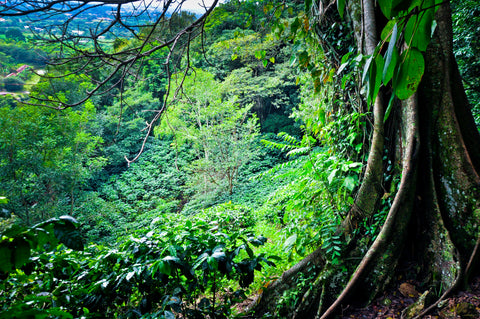
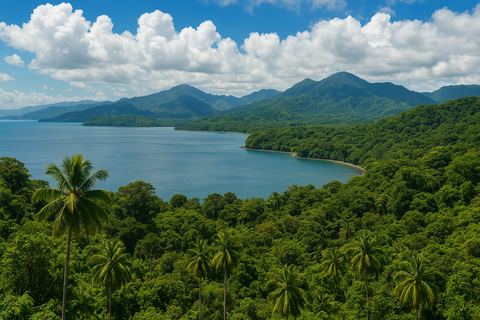
Blessed with diverse geography, rich volcanic soil, and a range of microclimates, Costa Rica offers the perfect conditions for growing world-class coffee.

Costa Rica is globally recognized for its high-quality arabica coffee. More than just a drink, but the country’s identity. Coffee isn’t simply a business here; it’s a source of pride, a way of life, and a reflection of the land itself.   

Blessed with diverse geography, rich volcanic soil, and a range of microclimates, Costa Rica offers the perfect conditions for growing world-class coffee. Each region brings its own character to the cup -shaped by altitude, climate, and terrain. 

Citrus and tropical, sweet, and subtle hints of almond. And in some regions expect floral notes like hibiscus or tea rose

Planning: September - November

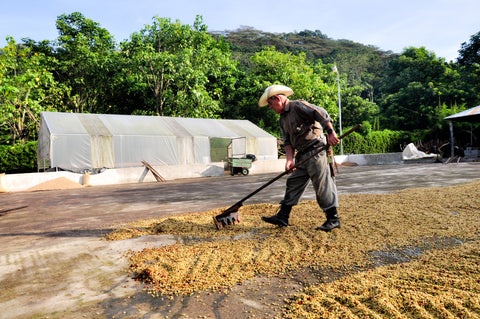
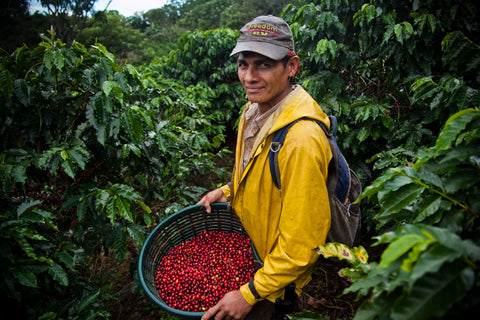
Main Crop Harvest: November - March

Shipping: March - July
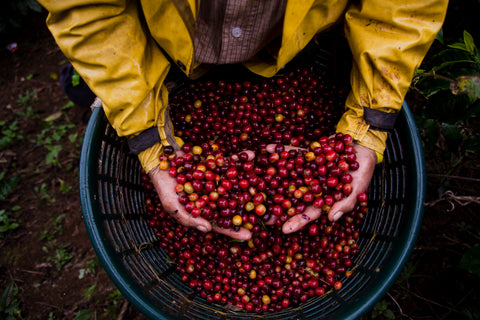
Costa Rican coffee is the pride of the nation, and it's clear to see why.

Bright acidity, clean
taste, and a balanced flavour

Featured Regions...

Chirripo - Brunca, San Jeronimo

Chirripó–Brunca, especially San Jerónimo, is a key coffee region in southern Costa Rica, located along the slopes of Cerro Chirripó. Coffee is grown at 1,200–1,800 masl in a stable, cool climate with volcanic soils that support steady cherry development.

Common varieties include Caturra, Catuai, and Villa Sarchi. The region produces clean, balanced coffees with notes of citrus, red fruit, and subtle sweetness. Most farms are small, family-run operations that focus on selective picking, careful processing, and environmentally responsible practices.

San Pedro de Paos, Alajuela

San Pedro de Poás in Alajuela is a well-known coffee area located on the slopes of the Poás volcano. Coffee is grown at 1,200–1,600 masl in a mild climate with fertile volcanic soils that support consistent plant growth.

Producers commonly grow Caturra and Catuai varieties. The region’s coffees are known for clear acidity, mild fruit notes, and a smooth overall profile. Farming is mainly done by small producers who focus on selective harvesting, reliable processing, and sustainable field practices.

Los Santos, Tarrazu

Los Santos in Tarrazú is one of Costa Rica’s most recognised coffee regions, located in the highlands south of San José. Coffee is grown at 1,400–1,900 masl in a cool climate with well-drained volcanic soils that support slow, even cherry development.

Producers commonly work with Caturra and Catuai varieties. Coffees from this area typically show bright acidity, clear fruit notes, and a clean, structured cup profile. Most farms are small, family-run operations focused on selective picking, consistent processing, and sustainable agricultural practices.

Meet the Producer: La Toboba

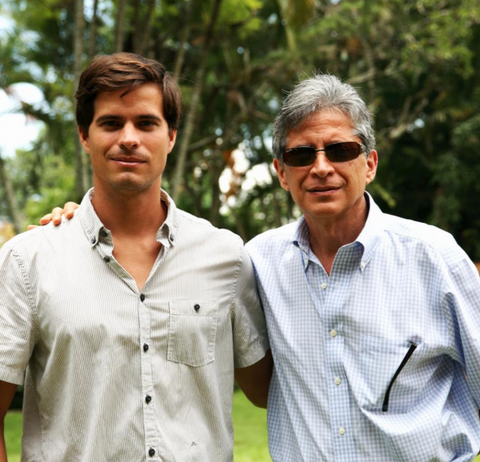
Hacienda Sonora Estate has been in Alberto's family for over a century, and its history is deeply rooted in coffee cultivation. When Alberto took over the farm in the 1970's, he made the strategic decision to dedicate most of the land to planting coffee. It soon became their primary source of income, and Alberto's passion for the industry grew. In 2011 Alberto's son Diego became a co-manager of Hacienda Sonora. Today, the estate boasts an impressive range of over 20 varieties spread across 80 hectares of coffee land. Additionally, they have set aside more than 20 hectares as a forest reserve, creating a welcoming haven for coffee lovers and nature enthusiasts alike.

Contact the team to discuss our Costa Rican offer today

Discover our other origins ...